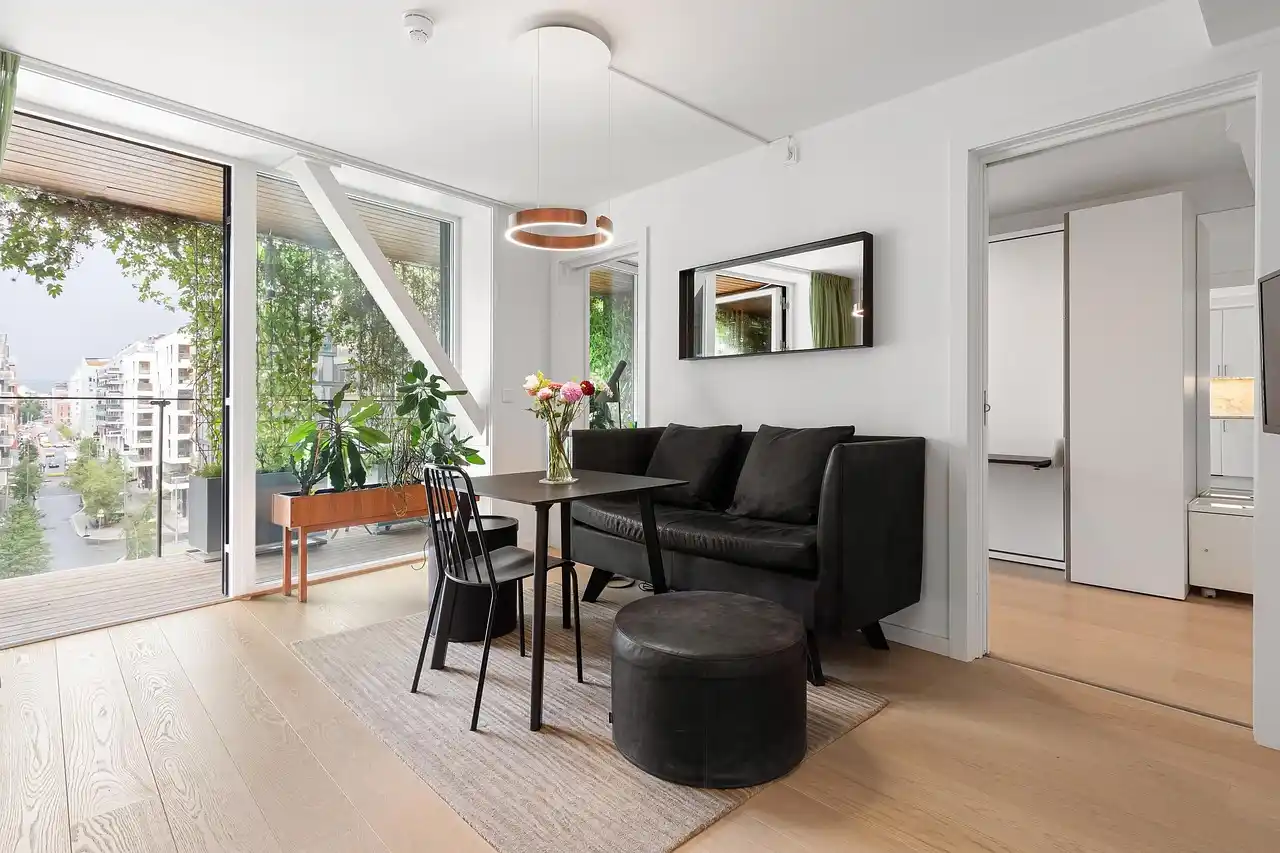
If you’re searching for home window tinting near me, you’re likely aiming to improve comfort, privacy, and energy efficiency in your home. Professional residential tinting uses advanced window films applied to interior glass to reduce heat gain, block ultraviolet rays, and minimize glare. Local providers often offer faster service, clearer warranties, and better aftercare. This guide explains what to expect, how to choose a reputable installer, and how tinting can fit your budget and home design.
What Is Home Window Tinting?
Home window tinting refers to the installation of thin films on the inside surface of windows. Films come in various densities and colors, tailored for residential use. A skilled installer prepares the glass, cleanly applies the film, and trims edges for a seamless finish. When done by certified technicians, tinting preserves exterior views while delivering tangible benefits such as energy savings, glare reduction, and improved privacy in daytime hours.
Why People Search "Home Window Tinting Near Me"
Local tinting providers offer several advantages. Proximity means quicker scheduling, on-site measurements, and easier warranty service if issues arise. Local professionals are more likely to be familiar with regional building codes and climate needs, ensuring the film you choose optimizes comfort in seasonal peaks. Reviews from neighbors, portfolio galleries, and transparent warranty terms are reliable signals of trustworthiness—key components of EEAT: experience, authority, and trust.
Benefits of Home Window Tinting
- Energy efficiency: Reduces heat gain in summer and heat loss in winter by filtering infrared radiation.
- UV protection: Blocks up to 99% of ultraviolet rays, helping to preserve furnishings and artwork.
- Glare control: Improves screen visibility and reduces eye strain on bright days.
- Privacy and safety: Adds daytime privacy and can help hold shattered glass in place during impacts.
- Enhanced aesthetics: A consistent, modern look that complements architectural styles.
Types of Window Tint Films for Homes
Choosing the right film depends on your climate, orientation of windows, and desired level of tint. Here are common options:
Dyed Films
Budget-friendly and good for reducing glare, dyed films provide a dark, uniform appearance but may fade over time if poor-quality dyes are used.
Metalized Films
These films reflect heat with tiny metallic particles, improving energy performance. They can interfere with radar signals if you have sensitive equipment, so discuss your needs with the installer.
Ceramic Films
High-performance and non-metallic, ceramic films offer excellent heat rejection, UV protection, and minimal interference with electronics. They are a popular choice for homes seeking balance between comfort and aesthetics.
Hybrid and Laminated Films
Hybrid films combine dye and ceramic or metalized layers for a balance of price and performance. Laminated films add a reinforced layer for extra impact resistance and safety.
How to Choose a Local Provider Near You
When searching for home window tinting near me, prioritize local expertise and transparent practices. Look for:
- Licensed and insured installers with documented certifications.
- Clear warranties on both film performance and installation workmanship.
- Examples of completed projects, testimonials, and measurable results (UV rejection, heat reduction).
- In-person measurements and a written quote with film specifications and warranty terms.
- Professional aftercare guidance and maintenance tips to maximize longevity.
What to Ask Before You Hire
- Which film types do you recommend for my climate and window orientation?
- How long is the warranty, and what does it cover?
- Do you remove existing films, and will you inspect for damage or leaks?
- Is there a performance guarantee for heat reduction or UV protection?
- Can you provide a written estimate with all costs broken down?
Cost Considerations and Savings
Costs vary by window size, film type, and installation complexity. Typical residential tinting might range from a few dollars per square foot to a higher tier for ceramic films. In most cases, the upfront investment is offset by energy savings, reduced glare, and longer-lasting interior furnishings. Ask for a breakdown of materials, labor, and any required prep work. A reputable local installer will provide an on-site assessment and a clear estimate rather than vague online quotes.
DIY vs Professional Installation
While DIY kits exist, professional installation yields cleaner edges, consistent adhesion, and superior long-term performance. Trained installers use professional tools to eliminate bubbles, dust under the film, and improper alignment. For most homes, especially larger panes or multi-story windows, hiring a local expert ensures safety, warranty validity, and optimal appearance. If you insist on DIY, start with a small, low-risk window and follow manufacturer instructions closely.
| Aspect | DIY | Professional |
|---|---|---|
| Cost | Lower upfront | Higher upfront, better value over time |
| Quality | Higher risk of bubbles and wrinkles | Flawless finish, precise cuts |
| Warranty | Often void if not installed by pro | Comprehensive warranty on film and labor |
| Safety | Requires careful handling | Certified technicians, insurance |
| Time | Longer, multiple attempts possible | Efficient, scheduled |
Maintenance and Longevity
Proper care extends tint life. Avoid abrasive cleaners or ammonia-based products that can degrade film. Use mild soap and water or recommended cleaning solutions, wipe with a soft microfiber cloth, and inspect edges annually for peeling. Most modern films come with durable warranties, but proper maintenance helps preserve appearance and performance for many years.
Conclusion, choosing a local, reputable home window tinting near me provider gives you access to hands-on support, credible warranties, and tailored film choices that fit your home and budget. With the right film type, professional installation, and ongoing maintenance, you can enjoy cooler interiors, reduced UV exposure, and a more comfortable living space all year round.